
Buying a bed isn’t just about picking something to lie on; it’s about investing in how well you sleep night after night. Traditional beds get the job done, but adjustable beds promise a whole new level of comfort and customization. The question is, is the upgrade really worth it, or will a standard bed do just fine?
In this blog, we’ll compare adjustable beds and traditional beds to help you decide which one makes the most sense for your needs and budget. You’ll learn about features, comfort, support, and overall value so you can make an informed choice that improves your sleep for years to come.
What Is an Adjustable Bed?

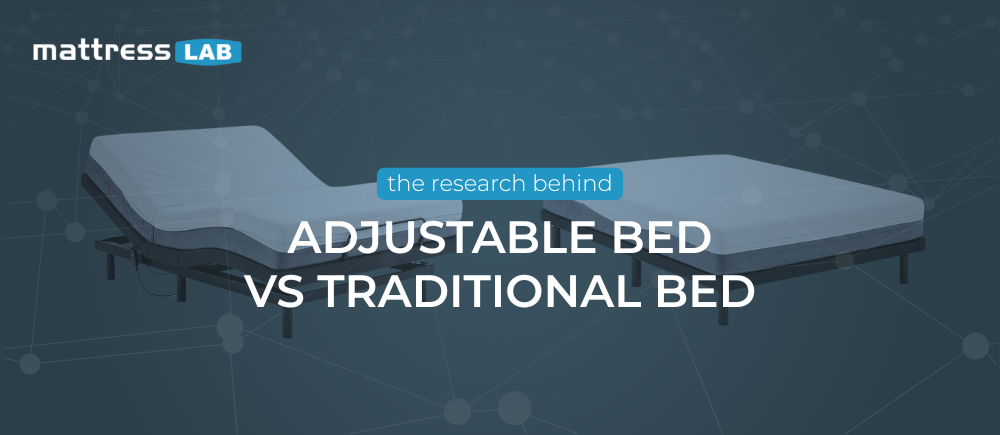
An adjustable bed is a base that lets you raise your head, feet, or both. It uses a motorized frame controlled by a remote. Many models include helpful features like Zero Gravity positioning, under-bed lights, and massage settings.
These beds support mattresses that work for adjustable bases, including memory foam, latex, and some hybrid options that can bend without damage.
Pros and Cons of Adjustable Beds
Pros:
-
Lets you adjust your sleeping angle
-
Can reduce snoring and acid reflux
-
Helpful for swelling and circulation
-
Offers more comfort settings
Cons:
-
Higher cost
-
Mechanical parts may need occasional attention
- Heavier and harder to move
What Is a Traditional Bed?

A traditional bed is a frame that holds your mattress in a single flat position. It’s the style most people grew up with. You can choose wood frames, platform frames, metal frames, or upholstered designs.
It works with these types of mattresses: spring, hybrid, latex, and foam.
Pros and Cons of Traditional Beds
Pros:
-
More affordable
-
Easy to set up
-
Works with all mattresses
-
Lighter and easier to move
-
Many style choices
Cons:
-
No adjustable positions
-
Doesn’t help much with snoring or reflux
- Comfort depends mostly on the mattress
Adjustable Bed vs Traditional Bed: Main Differences
Here’s a side-by-side look at the differences between the two bed types:
| Feature | Adjustable Bed | Traditional Bed |
| Comfort | Lets you raise your head or feet for personalized comfort. | Flat surface with no adjustable angles. |
| Customization | Multiple preset positions and wireless controls. | Very limited adjustments. |
| Health Support | It can ease snoring, back pain, and circulation issues. | Basic support depending on the mattress. |
| Price Range | Higher cost due to motors and technology. | More affordable. |
| Durability | It can last long but may need occasional maintenance. | Long-lasting with fewer moving parts. |
| Maintenance | Motors or remotes may need attention. | Almost no maintenance. |
| Mattress Compatibility | Works best with memory foam, latex, and flexible hybrids. | Compatible with all mattress types. |
| Best For | Sleepers with pain, snoring, mobility issues, or those who like to read/work in bed. | Sleepers who want simplicity, affordability, and a flat sleep surface. |
Who Should Choose an Adjustable Bed?
Pick an adjustable bed if you:
-
Deal with discomfort that gets worse when lying flat
-
Snore or have light breathing issues
-
Want comfort settings you can change anytime
-
Prefer a more supportive sleeping angle
- Don’t mind paying more for extra features
Who Should Choose a Traditional Bed?
A traditional bed is ideal if you:
-
Want to stick to a lower budget
-
Move homes or rearrange furniture often
-
Prefer a firm, flat sleep surface
-
Want a design-focused bed frame
- Don’t need adjustable positions
Benefits of Adjustable Beds
The benefits of an adjustable bed frame include comfort and flexibility. You can raise your head to ease snoring or lift your legs to reduce pressure. Many people feel relief in Zero Gravity mode because it balances weight across the body.
If you struggle with swelling, acid reflux, or soreness, an adjustable base can improve nighttime comfort.
Benefits of Traditional Beds
Traditional beds keep things simple. They’re budget-friendly, easy to move, and available in countless designs. If you prefer a firm mattress or a clean, minimalist sleep setup, this option works well.
Another perk is versatility. You can pair a traditional frame with any mattress you already own.
Final Thoughts
Choosing between an adjustable bed and a traditional bed comes down to your body, comfort preferences, and lifestyle. Adjustable beds offer flexibility and health benefits, while traditional beds provide simplicity and affordability. Pick the one that matches your needs for better sleep and overall comfort.
Upgrade Your Sleep with an Adjustable Bed
Wondering if an adjustable bed or a traditional bed is right for you? At Mattress Lab, we offer a wide selection of adjustable beds and bases designed to support your body, relieve pressure, and provide ultimate comfort.
Explore our options and experience the difference customizable sleep can make. Contact us or visit our store in Fort Mill, SC to find the adjustable bed that fits your sleep style perfectly.
FAQs
Can any mattress work on an adjustable bed?
Not all mattresses are compatible with adjustable beds. Memory foam, latex, and flexible hybrid mattresses are best because they bend easily without losing support or durability.
Do adjustable beds help reduce snoring?
Yes, adjusting the head angle can help open your airway, making breathing easier while you sleep. Many sleepers notice a reduction in snoring when the head is slightly elevated.
Are adjustable beds noisy?
Most modern adjustable beds are designed to operate quietly. While you may hear a gentle motor sound when adjusting positions, it’s typically not loud enough to disturb sleep.
Are adjustable beds worth the higher cost?
If you need relief from back pain, acid reflux, or circulation issues, many people find adjustable beds worth the investment. The ability to customize your sleep position also adds long-term comfort that traditional beds cannot provide.
Can adjustable beds help with back or joint pain?
Yes, elevating the head or feet can reduce pressure on the spine and joints. This makes it easier to find a comfortable position and can improve overall sleep quality.

Leave a comment
This site is protected by hCaptcha and the hCaptcha Privacy Policy and Terms of Service apply.